Blog – Right Sidebar

Can a Chiropractor Help After a Car Accident? What You Need to Know

by November 15, 2026

Written by Dr. Lori Kindle, chiropractor at All Natural Wellness Center in Fort Lauderdale. As a car accident chiropractor in Fort Lauderdale, Dr. Kindle helps patients find lasting, drug-free relief from back pain, neck pain, headaches, and muscle tension. She also offers prenatal chiropractic care and gentle adjustments for newborns and infants. To book an appointment, call (954) 495-4449.

The short answer is yes—and in many cases, early chiropractic evaluation is one of the most important steps you can take for your recovery.

A patient came to me after a rear-end collision feeling only mild neck stiffness. She went home, assumed it would pass, and didn’t think much of it. Three days later, she couldn’t turn her head without sharp pain. Headaches had moved in. Her upper back ached. She was sleeping in 90-minute stretches because no position was comfortable.

This is not an unusual story. It’s the story I hear most often in my Fort Lauderdale practice.

What you’ll find here: whether chiropractic care is effective for accident injuries, what injuries it treats, what evaluation and treatment look like, and when to seek care.

Timing Matters More Than Most People Realize

Chiropractic care is an evidence-supported treatment for the musculoskeletal injuries most commonly caused by car accidents. The American Chiropractic Association recognizes it as a primary treatment modality for spinal conditions including whiplash and cervical strain—two of the most prevalent injuries from motor vehicle collisions.

Here’s what most people don’t know: your body works against you in the hours after a crash. Adrenaline and your natural stress response temporarily suppress pain signals. You can walk away from a collision feeling fine—or close to it—and still have real, measurable soft tissue injuries developing beneath the surface.

People are far more likely to wait too long than to seek an evaluation unnecessarily. The patient who comes in a day after an accident is in a much better position than the one who waits three weeks because they “felt okay at first.”

Early evaluation either confirms you’re fine and gives you peace of mind, or it identifies an injury while it’s still in the most treatable window.

What Injuries Does Chiropractic Care Treat After a Car Accident?

The most frequently seen injuries include:

  • Whiplash and cervical strain — Rapid, forceful movement of the head and neck tears or strains the muscles and ligaments of the cervical spine
  • Lumbar strain — Low back muscle and ligament injuries from the impact force
  • Soft tissue injuries — Damage to muscles, tendons, and ligaments throughout the spine and extremities
  • Joint dysfunction — Misalignment or restricted movement in the facet joints of the spine
  • Tension headaches — Often originating from cervical spine injury and muscle tension in the neck and upper back

Chiropractic care focuses on the spine, joints, muscles, and surrounding soft tissues. It is not the appropriate first response for broken bones, injuries requiring surgery, or acute neurological emergencies—those need emergency medical care.

You don’t have to be in a major accident to experience a significant injury. Even a minor collision can affect the muscles, ligaments, and joints of the spine. The absence of vehicle damage doesn’t mean the absence of bodily injury. Some of the most significant whiplash presentations I’ve seen have come from low-speed impacts.

Chiropractor in Fort Lauderdale

What Happens During a Chiropractic Evaluation After an Accident?

A thorough initial examination includes:

  • Detailed health history — Mechanism of the accident, symptom timeline, prior injuries
  • Orthopedic and neurological testing — Assessing nerve function, reflexes, and structural integrity
  • Range-of-motion assessment — Measuring restriction in the cervical and lumbar spine
  • Palpation — Identifying areas of muscle spasm, tenderness, and joint dysfunction

If I find indicators that warrant an X-ray or MRI, I make that referral before beginning treatment.

One aspect patients often overlook: documentation. The initial exam creates a dated medical record of your injuries and functional limitations from the start—which matters both for tracking recovery and for any personal injury claim that may follow. In Florida, Personal Injury Protection (PIP) insurance requires a medical evaluation within 14 days of an accident to maintain coverage. Waiting beyond that window can forfeit your benefits entirely. Many patients don’t know this rule exists until it’s too late.

What Does Treatment Actually Look Like?

Treatment isn’t one-size-fits-all, and chiropractic adjustments aren’t the only tool available.

The typical treatment toolkit for accident injuries includes:

  • Chiropractic adjustments — Restoring joint mobility and reducing nerve irritation
  • Soft tissue therapy — Myofascial release, trigger point therapy, and therapeutic massage to address muscle tension and scar tissue
  • Therapeutic modalities — Electrical stimulation, ultrasound therapy, or cold laser to reduce inflammation and promote healing
  • Rehabilitation exercises — Progressively introduced as the patient improves, targeting supporting musculature and spinal stability

If a patient doesn’t want spinal manipulation specifically, that’s completely fine—soft tissue therapy, therapeutic exercise, and rehabilitative modalities can still produce meaningful improvement.

Treatment phases evolve with your condition. Early-phase care focuses on reducing pain and inflammation and improving mobility. As those acute symptoms settle, the focus shifts toward rebuilding strength and restoring range of motion so the injury doesn’t become a chronic problem.

Chiropractor in fort lauderdale explaining where the pain is coming from to her client

A Real Case: How Early Care Changed the Outcome

My patient from the opening was rear-ended at moderate speed, felt mild neck stiffness, and waited. By day three, she had severe neck pain, persistent headaches, upper back discomfort, and near-complete loss of head rotation to the right.

My examination revealed restricted cervical range of motion in multiple planes, palpable muscle spasms throughout the cervical and upper thoracic regions, and point tenderness consistent with a whiplash-associated disorder. I ruled out red flags for fracture or neurological compromise and we began conservative care.

Early sessions focused on soft tissue therapy and low-force adjustments. I didn’t push into full spinal manipulation immediately—her muscle guarding and pain levels told me to progress gradually.

By week two, she reported less tension and was sleeping through the night. Headaches were less frequent. We introduced targeted cervical and upper thoracic rehabilitation exercises.

Over the following weeks, she could check her blind spot while driving without wincing, sleep in her preferred position, and return to her full work schedule without pain. Recovery isn’t just about pain going away—it’s about restoring function so you can live normally. This case illustrates why early evaluation and consistent, progressive care produce better outcomes than waiting.

Common Misconceptions That Delay Recovery

“I’m not in severe pain, so I probably wasn’t hurt.”

Adrenaline and your body’s stress response can mask significant soft tissue injury for hours or days after a collision. By the time pain becomes severe, the injury has often been developing—and potentially worsening—without treatment.

“I felt fine at a week—I must be in the clear.”

The bigger risk for most accident patients isn’t chiropractic care—it’s delayed presentation. Patients who come in a month or more post-accident have often developed chronic muscle patterns, compensatory movement habits, and increased scar tissue that make recovery longer and harder than it needed to be.

I’ve seen patients wait past Florida’s 14-day PIP window without being evaluated by any provider, believing that if they weren’t in significant pain, they didn’t need to be checked. A month and a half later, they’re experiencing unexplained pain in areas they can’t account for—and by that point, the documentation gap creates problems both medically and for their personal injury case.

When Is Chiropractic Care Not Appropriate?

Chiropractic care is not the right first response in every situation. Contraindications include:

  • Acute fractures or spinal instability
  • Serious neurological deficits (loss of bowel or bladder control, progressive limb weakness)
  • Injuries requiring emergency surgical intervention
  • Significant head trauma or loss of consciousness at the scene

In these situations, the emergency room comes first—always.

Post-adjustment soreness is the most commonly reported side effect of chiropractic care, typically mild and resolving within 24–48 hours. Serious adverse events are rare when treatment is performed by a licensed provider following a proper examination.

My role isn’t to treat everything. A thorough evaluation determines whether a patient can be safely treated in my office or needs referral to an emergency department, orthopedic specialist, or neurologist. That gatekeeper function is part of the value of an early evaluation.

When Should You See a Chiropractor After a Car Accident?

My recommendation is straightforward: seek evaluation as soon as possible—ideally within the first few days—even if symptoms feel mild.

Go to the Emergency Room First If You Experience

  • Loss of consciousness at the scene
  • Signs of head trauma or concussion
  • Suspected fracture
  • Severe or rapidly worsening neurological symptoms

A Chiropractic Evaluation Is Appropriate If You Experience

  • Neck stiffness, soreness, or limited range of motion
  • Headaches that weren’t present before the accident
  • Upper or lower back pain following the collision
  • Generalized muscle tension or tenderness

If you’re in Fort Lauderdale or anywhere in Florida, the 14-day PIP evaluation window is a practical urgency driver—not legal advice, but a clinical reality that affects your options if you wait.

Whether the question is can a chiropractor help after a car accident for mild symptoms or significant ones, the answer is the same: get evaluated early, let the findings guide the conversation, and don’t wait for pain to tell you what examination can show you now.

Conclusion

If you’ve been in a car accident in Fort Lauderdale or anywhere in South Florida—even one that seemed minor—early evaluation is one of the most important steps you can take. Chiropractic care is effective for the musculoskeletal injuries most commonly caused by collisions, and it works best when started early.

Don’t let the absence of immediate pain give you a false sense of clearance. The adrenaline wears off. The inflammation builds. And the window for the most straightforward recovery narrows with every day you wait. And in Florida, waiting past 14 days can cost you your PIP coverage, too.

It’s also worth speaking with a lawyer soon after your accident. A good car accident attorney can help you understand what your insurance covers and which parts of your care may be paid for or reimbursed—so cost doesn’t stand between you and the care your body needs.

Soft tissue work is a core part of how I approach accident injuries. If you want to understand how massage therapy supports back pain recovery or what therapeutic massage actually involves, both are worth reading before your first appointment. If you’ve never had hands-on care before, this guide on what to expect at your first massage walks you through the process clearly.

Get evaluated, get a plan, and give your body the structured support it needs to heal.
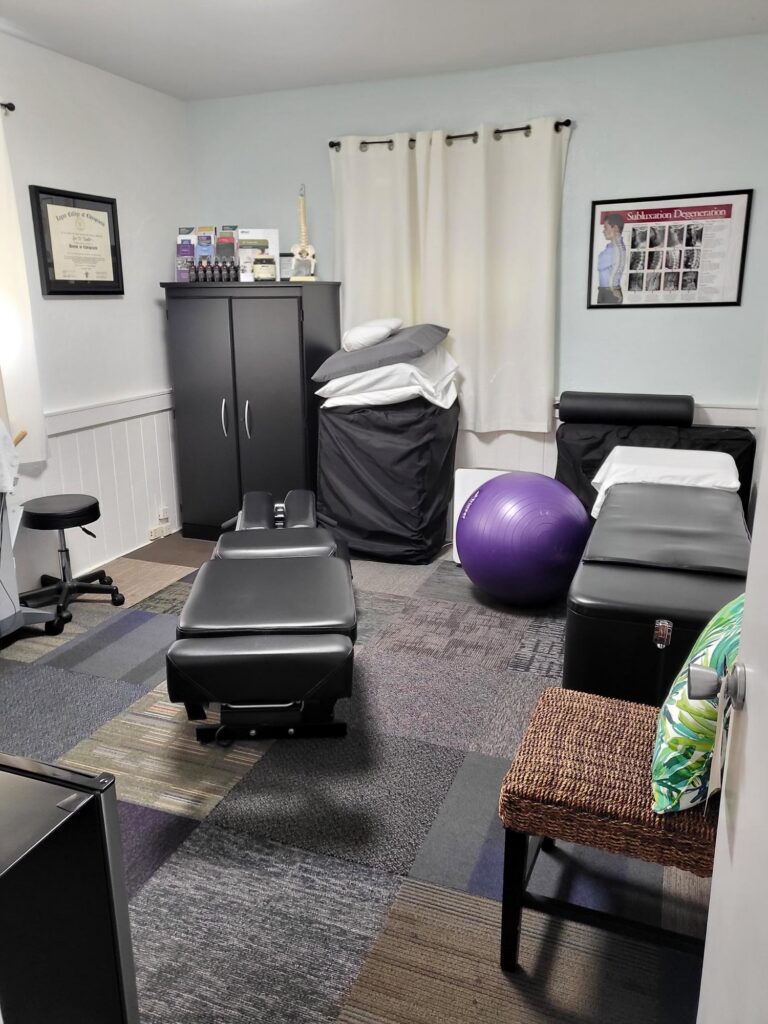
Chiropractors office in Fort Lauderdale

Frequently Asked Questions

How soon should I see a chiropractor after a car accident in Florida?

As soon as possible, ideally within the first few days, even if your symptoms feel mild. In Florida, you need to be evaluated within 14 days of the accident to keep your Personal Injury Protection (PIP) benefits.

Does car insurance cover chiropractic care after an accident in Florida?

Florida PIP insurance may help cover medical care after an accident, including chiropractic care, as long as you’re evaluated within the 14-day window. Coverage varies by policy, so check with your insurance company or a car accident attorney about your specific situation.

Should I see a chiropractor if I’m not in pain?

Yes. Adrenaline can mask pain for hours or even days after a collision, and soft tissue injuries like whiplash often show up later. An early evaluation either confirms you’re fine or catches an injury while it’s easiest to address.

How long does recovery take after a car accident?

It depends on the injury and how soon you start care. Mild strains often improve within a few weeks, while more involved injuries take longer. After your evaluation, you’ll get a care plan with a clear picture of what to expect.

Where can I find a car accident chiropractor in Fort Lauderdale?

Dr. Lori Kindle sees car accident patients at All Natural Wellness Center, 1306 E Broward Blvd in Fort Lauderdale. Call (954) 495-4449 to book your evaluation.

Car Accident Chiropractor in Fort Lauderdale: Book Your Evaluation

If you’ve been in a car accident in Fort Lauderdale or anywhere in Broward County, our team at All Natural Wellness Center is here to help. Dr. Kindle will evaluate your injuries, document her findings, and build a care plan around your recovery, ideally within Florida’s 14-day PIP window.

Call (954) 495-4449 to book your evaluation, or visit us at 1306 E Broward Blvd, Fort Lauderdale, FL 33301.

BOOK YOUR VISIT

Deep Tissue Massage in Fort Lauderdale | What to Know

by November 2, 2026

Quick answer: Deep tissue massage in Fort Lauderdale targets the deeper layers of muscle and fascia to relieve chronic tension, stiffness, and restricted range of motion. It shouldn’t be painful. At All Natural Wellness Center, we use a heat-assisted sports deep tissue technique with hot stones and clay packs to reach deep muscle while keeping your nervous system relaxed.

She walked in with a stiff neck, pounding headaches, and a lower back so tight she could barely turn her head. It wasn’t from an injury. It was from nine hours at a computer, an hour in the car, and the rest of her evening staring at her phone. I see this constantly with deep tissue massage clients in Fort Lauderdale, and her story is exactly why I want to break down what deep tissue massage actually does, how it differs from Swedish, and how to know which one is right for you.

If you’ve been searching for deep tissue massage near me and aren’t sure what you’re actually looking for, this guide cuts through the noise.

What Deep Tissue Massage Actually Is (And What It Is Not)

Deep tissue massage reaches the deeper layers of muscle fiber and connective tissue. It’s a simple definition, but it gets misunderstood constantly, and that misunderstanding costs people real results.

Myth 1: Deeper Means Harder

The most common mistake is equating deep tissue with pressing harder. Harder pressure is not the same as deeper, more effective work.

Myth 2: It Has to Hurt to Work

The second misconception I hear almost every week is that deep tissue has to be painful to work. That’s flat-out wrong. When your body receives a pain signal, it guards itself. It contracts and protects. Healing cannot happen when the body is guarding.

The approach we use at All Natural Wellness Center is a sports deep tissue technique designed to reach deep muscle tissue while keeping the nervous system relaxed. True skill is working deep without triggering that guarding reflex. That’s the difference between a productive session and one that leaves you sore and tensed up for days.

If you are in pain now or have been in pain for a while, we are here to help . You can simply Book Now. And we are open seven days a week for you.

How Deep Tissue Massage Targets Deeper Muscle Layers

Your muscles are layered. Superficial fibers sit close to the surface. Deeper fibers, along with the fascia surrounding everything, lie underneath, and they don’t respond to light, surface-level pressure.

Reaching those deeper layers isn’t about pressing down harder from the start. It’s about earning access to them. I use slow, deliberate strokes and sustained pressure to identify knots, trigger points, and areas of restriction before working into them. When I feel a knot, I slow down, hold, check in on pressure with the client, and give the muscle time to release on its own terms.

Heat Layering: What Makes Our Approach Different

What makes our approach distinct is heat layering before and after the massage:

  • Hot stones applied directly to the main area of concern, typically the neck, shoulders, or lower back, before we begin deeper work. This softens muscle tissue so we’re not fighting resistance to get there.
  • Moist heated clay packs placed on the back after the session. This extends muscle relaxation and actively improves circulation.

This heat-assisted method is unique to our practice in Fort Lauderdale and makes a measurable difference in how deeply and comfortably we can work. You can read more about how heat supports chronic pain in our breakdown of hot stone massage benefits for chronic pain relief.

Hot stone deep tissue massage Fort Lauderdale

What Makes a Deep Tissue Session Truly Effective

Effective deep tissue massage in Fort Lauderdale starts before the therapist ever touches you. A thorough intake is non-negotiable. I need to know your pain points, range of motion restrictions, daily habits, work setup, and physical history before the session begins, not after. That’s where I learn whether tight muscles are coming from a workstation issue, a postural habit, or a repetitive movement pattern.

During the session, I’m constantly reading feedback, both verbally from the client and from the tissue under my hands. Research from the American Massage Therapy Association consistently supports the role of client-therapist communication in session outcomes. Therapists who apply preset pressure and follow a fixed routine miss what the body is actually telling them.

Effective deep tissue work in practice:

  • Detailed intake and assessment before starting
  • Continuous pressure check-ins throughout
  • Adjusting approach in real time based on what the tissue shows
  • Keeping the nervous system relaxed, not bracing, not guarding

If you leave a session feeling like you survived something, that wasn’t effective work.

Who in Fort Lauderdale Actually Needs Deep Tissue Massage

The client I described in the intro is not unusual. She’s the majority of who I see.

Office Workers and Remote Professionals

People who sit for extended hours develop tight, restricted muscle fibers. Not injuries, but functional tightness. And that responds extremely well to sports deep tissue work.

One pattern I’ve tracked over years of practice is right-hand and forearm tightness, pain, and numbness. Hours on a computer mouse, hours texting: fine motor repetition the human body was never designed for. After years of it, that tightness travels from the fingers and wrist up through the forearm and into the neck.

Retirees, Athletes, and Tourists

Fort Lauderdale also brings retirees, athletes, and tourists, and each presents differently. Retirees often carry years of accumulated postural habits. Athletes have sport-specific imbalances. Tourists sometimes arrive tight from travel. We work with every client based on what they show up with that day.

If you’re not sure whether your complaint calls for deep tissue or something else, our guide to choosing the right massage type walks through the decision in plain terms.

Deep Tissue vs. Swedish: How to Choose

Swedish massage works at a superficial to moderate depth. It is ideal for nervous system relaxation, general stress relief, and anyone new to massage. It’s not inferior. It’s appropriate for a specific need.

Sports deep tissue is the better choice when there’s stiffness, restricted range of motion, chronic muscle tension, or areas that lighter work won’t reach.

My recommendation comes down to three questions:

  • Is this your first massage? Start with Swedish. Your nervous system needs to acclimate before we work deeper layers.
  • Do you have specific tightness, restriction, or reduced range of motion? That’s when sports deep tissue is the right call.
  • Are your cervical muscles losing range of motion? People who never rotate their heads throughout the day because they’re locked onto a screen show this clearly during intake, and it’s a direct indicator that deeper work is needed.

The goal is always the right session for the right person.

What to Look for When Searching Deep Tissue Massage Near Me in Fort Lauderdale

When you search deep tissue massage near me, results won’t tell you which therapist actually knows what they’re doing. That requires a bit more digging.

Read the Reviews, Not Just the Stars

Start with Google reviews. Look past the star rating to what clients wrote. Look for mentions of communication, intake process, and whether people felt heard before and during their session.

Pay Attention to the Intake

Confirm the facility is an established wellness center with licensed therapists. When you arrive, the intake process tells you everything. A qualified therapist asks detailed questions about your complaints, daily habits, and physical history before the session starts. If they skip that and go straight to the table, that’s a problem.

For a deeper look at what separates skilled practitioners from the rest, our post on how to choose the right massage therapist covers exactly what to look for, and what to walk away from.

Best sports deep tissue massage in Fort Lauderdale

The Right Session Starts Before the Massage Does

Effective deep tissue massage near me comes down to one thing: a therapist skilled enough to reach the right tissue layer safely, without triggering pain, and smart enough to individualize every session based on what your body is showing them that day.

It’s not about pressure or pain. It’s about a thorough intake, heat-assisted technique, real-time body reading, and keeping your nervous system in a state where healing can actually happen.

At All Natural Wellness Center in Fort Lauderdale, that’s exactly how every session is structured, from the first intake question to the clay pack placed on your back when the work is done.

Frequently Asked Questions About Deep Tissue Massage in Fort Lauderdale

Is deep tissue massage supposed to hurt?

No. Pain makes your body guard and tighten, which blocks results. A skilled therapist works deep without triggering that reflex, using slow strokes, sustained pressure, and constant check-ins.

What’s the difference between deep tissue and Swedish massage?

Swedish works at a light to moderate depth and is best for relaxation, stress relief, and first-timers. Deep tissue targets deeper muscle and fascia, making it better for chronic tightness, knots, and limited mobility.

Can deep tissue massage help neck, shoulder, and back pain from working at a computer?

Yes. Long hours at a desk, in the car, or on your phone create functional tightness in the neck, shoulders, lower back, and forearms. Sports deep tissue work is especially effective for this kind of tension.

Should I get deep tissue massage for my first massage?

Usually not. We recommend starting with Swedish so your nervous system can adjust before moving into deeper work.

How do I find the best deep tissue massage near me in Fort Lauderdale?

Read Google reviews for mentions of communication and intake, not just star ratings. Choose an established wellness center with licensed therapists. A good therapist asks about your pain, habits, and history before you get on the table.

Will I be sore after a deep tissue massage?

You may feel mild tenderness, but you shouldn’t leave feeling like you survived something. Our heated clay packs after each session help extend relaxation and improve circulation, which reduces next-day soreness.

What makes deep tissue massage at All Natural Wellness Center different?

We sometimes use heat during our deep massage work. Hot stones soften the tissue before we go deep, and moist heated clay packs keep muscles relaxed after the session. Every session starts with a detailed intake and is adjusted in real time.

Book Your Deep Tissue Massage in Fort Lauderdale

Ready to find out which massage is right for you? Contact All Natural Wellness Center at 1306 E Broward Blvd, Fort Lauderdale, FL 33301 to schedule your session. Call 754-243-5763 or you can Book Now online at allnaturalwc.com

BOOK YOUR VISIT

Lymphatic Drainage After Surgery in Fort Lauderdale: What to Expect

by October 25, 2026

Quick answer: Start lymphatic drainage after surgery a few days post-op, once your drainage ports are removed and your surgeon clears you. Plan for at least 10 sessions for the best results with swelling, bruising, and scar tissue.

She came into our studio a full year after her liposuction and tummy tuck — frustrated, uncomfortable, and carrying retained fluid she’d been hoping would resolve on its own. After our intake assessment and palpation, the reality was clear: her body had already produced significant scar tissue that manual lymphatic drainage could no longer fully reverse. We reduced some swelling and inflammation around her midsection, but the window for the best possible outcome had closed long ago. That case stays with me — because it didn’t have to go that way.

Timing is everything when it comes to lymphatic drainage after surgery in Fort Lauderdale. Here’s what every surgical patient needs to know.

Why So Many Surgical Patients in Fort Lauderdale Skip Lymphatic Drainage

The most common misconception I encounter is simple: patients don’t know this is something they need. Most clients, especially after cosmetic surgery, are never properly informed about manual lymphatic drainage or its role in recovery.

Skipping it has real consequences:

  • Increased inflammation
  • Prolonged pain
  • Excessive bruising
  • Lumpy or uneven scar tissue

Fort Lauderdale is one of the most active cosmetic surgery markets in the United States, which makes this education gap especially significant here.

What Happens to Your Body When You Start Lymphatic Drainage After Surgery

Unlike your cardiovascular system, your lymphatic system has no pump. The heart moves blood; the lymphatic system relies almost entirely on muscle contractions to move fluid. Right after surgery, when movement is painful and swelling is at its worst, that system gets overwhelmed fast.

Manual lymphatic drainage stimulates lymph flow, helping the body clear cellular waste, reduce swelling, minimize bruising, and suppress scar tissue formation. This is the window where the biggest gains are made — which is exactly why we start working with patients as early as safely possible.

Most patients feel lighter and notice reduced pain after just the first few sessions. That improvement in comfort makes gentle movement easier, which further accelerates healing.

Manual lymphatic drainage massage for post-surgery swelling in Fort Lauderdale

When Should You Start Lymphatic Drainage After Surgery?

We typically see cosmetic surgery patients shortly after their drainage ports are removed — usually just a few days post-op. That’s the signal that the surgeon is confident healing is progressing and the body is beginning to manage its own drainage.

That window is where we consistently see the best results. The client who waited a full year is the starkest example of what happens when it’s missed. Her scar tissue had hardened and fluid retention had become chronic. We made progress, but not what we could have achieved in those early weeks.

Sooner is unquestionably better. Waiting even a few extra weeks limits how much can be corrected.

How Many Lymphatic Drainage Sessions Do You Need After Surgery?

I recommend investing in at least a 10-session package of manual lymphatic drainage, started as soon as your surgeon clears you. That’s the minimum to give your lymphatic system consistent support through the most demanding phase of healing.

Sessions are most impactful when scheduled close together in those early weeks, then spaced out as swelling and bruising resolve. Cumulative improvements build meaningfully across the full course of treatment:

  • Reduced puffiness
  • Less discomfort
  • Improved skin texture

This is the single most impactful investment a post-surgical patient can make in their recovery.

What to Expect During a Lymphatic Drainage Session

Every session starts with a thorough intake conversation and physical palpation of the treatment area. I assess fluid accumulation, scar tissue formation, and current inflammation levels before any hands-on work begins.

The technique uses gentle, rhythmic manual pressure — nothing like deep tissue massage — mapped to lymphatic pathways to encourage fluid movement toward healthy lymph nodes. Patients consistently report feeling lighter and less swollen after each session.

The Fort Lauderdale surgeons who refer patients to us are often surprised by how quickly bruising, swelling, and pain resolve. That feedback reinforces what I see clinically: when lymphatic drainage is prioritized, recovery moves significantly faster. For more on how manual lymphatic work supports broader health outcomes, our guide on how manual lymphatic drainage boosts your immune system goes deeper on the science.

All Natural Wellness Center on E Broward Blvd in Fort Lauderdale

The Biggest Mistake Patients Make in the First Two Weeks After Surgery

Staying completely sedentary is one of the most damaging post-op mistakes. Lying down for extended periods deprives the lymphatic system of the muscle contractions it needs to move fluid and clear cellular waste.

The patients who recover fastest are those who introduce gentle walking back into their lives as soon as safely possible — under their surgeon’s guidance. Muscle contraction from walking is one of the most accessible recovery tools your body has. This isn’t about pushing through pain. Controlled, light movement is therapeutic.

Fort Lauderdale Recovery Considerations: Heat and Humidity

Our climate creates specific recovery challenges that patients elsewhere don’t face. High humidity — especially intense during summer months — makes keeping incision areas dry and clean genuinely difficult.

Despite the beach and pool culture here, patients should avoid both until their surgeon gives explicit clearance. Water exposure and sweat around incision sites introduce real infection risk and slow healing. We advise clients to limit prolonged time outdoors during high-humidity periods — guidance that differs meaningfully from what patients in drier climates might receive.

What to Know Before Your Surgery if You Plan to Do Lymphatic Drainage

  • Be honest with yourself about the recovery timeline. Many clients are genuinely shocked by how painful the first one to two weeks post-surgery can be. Well-timed lymphatic drainage sessions help patients get through the hardest days and achieve better long-term results.
  • Schedule your sessions in advance. Don’t wait until after surgery to figure out your aftercare. Book ahead so there’s no gap between your surgeon’s clearance and your first appointment.
  • Ask your surgeon directly. More Fort Lauderdale surgeons are now recommending lymphatic drainage as part of standard aftercare, and some have established referral relationships with specialized practitioners. If yours hasn’t mentioned it, ask.

You can also review what to expect at your first massage and explore our post-surgery care package to understand what a structured recovery plan looks like.

The conversation is worth having before you’re on the table.

Start Your Recovery the Right Way

Starting lymphatic drainage after surgery in Fort Lauderdale shortly after your drainage ports are removed — with at least 10 consistent sessions — can meaningfully reduce pain, bruising, swelling, and scar tissue formation. The difference between early intervention and waiting a few months is significant. The difference between early intervention and waiting a full year can be irreversible.

If you’d like to understand what your first session involves or explore a structured post-surgical aftercare plan, we’re here to walk you through your options.

Frequently Asked Questions

How soon after surgery can I start lymphatic drainage in Fort Lauderdale?

Most cosmetic surgery patients can start a few days post-op, right after their drainage ports are removed and their surgeon gives clearance. Starting in that early window gives you the best results for swelling, bruising, and scar tissue.

How many lymphatic drainage sessions do I need after liposuction or a tummy tuck?

We recommend at least 10 sessions. Schedule them close together in the first few weeks, then space them out as swelling and bruising go down.

Is it too late for lymphatic drainage months after surgery?

Not completely, but results are more limited. Once scar tissue hardens and fluid retention becomes chronic, lymphatic drainage can still reduce some swelling and discomfort. It can’t fully reverse what early sessions could have prevented.

Does post-surgery lymphatic drainage hurt?

No. It uses gentle, rhythmic pressure that is nothing like a deep tissue massage. Most patients feel lighter and less swollen after their first session.

Do I need my surgeon’s approval before lymphatic drainage?

Yes. Always get clearance from your surgeon first. If your surgeon hasn’t mentioned lymphatic drainage, ask about it. More Fort Lauderdale surgeons now include it in standard aftercare.

Where can I get lymphatic drainage after surgery in Fort Lauderdale?

All Natural Wellness Center is at 1306 E Broward Blvd, Fort Lauderdale, FL 33301. We are very experienced and work with post-surgical patients from Fort Lauderdale, Plantation, Wilton Manors, and across Broward County. Call 754-243-5763 or book at allnaturalwc.com.

About the Author

David Assam is the owner and lead therapist of All Natural Wellness Center in Fort Lauderdale, Florida. He has 26 years of experience as a massage therapist and has been National Board Certified for over 22 years. David began his career at two top health spas in San Diego, California. He then spent a decade doing therapeutic and medical massage in chiropractic and doctors’ offices, where he worked with post-surgical and injury recovery patients. He founded All Natural Wellness Center to combine spa-level comfort with clinical results. Today he and his team help post-surgical patients across Fort Lauderdale and Broward County recover faster with manual lymphatic drainage.

BOOK YOUR VISIT

What Type of Massage Relieves Back Pain Best? A Therapist’s Honest Guide

by October 24, 2026

I see it all the time: someone comes in with back pain from an injury, already frustrated, because the last massage they got made things worse, not better.

A client came to us after a therapist at another practice did aggressive deep tissue work on her injured back. She left feeling worse than when she arrived. The problem wasn’t massage itself. It was the wrong type of massage for her condition.

Here’s how to make sure that doesn’t happen to you.

Why There’s No Single “Best” Massage for Back Pain

The biggest mistake people make when asking what type of massage relieves back pain is assuming one style fits every situation. It doesn’t. Back pain varies by cause, location, duration, and severity, and each factor changes the treatment approach entirely.

During every intake, I ask:

  • How long has this been going on?
  • What caused it?
  • Has it limited your ability to work, sleep, or move normally?

Those answers drive everything. Any therapist skipping that assessment is already working blind.

Is Your Back Pain Muscular or Structural? Start Here

Before discussing massage styles, there’s a more fundamental question: is your pain muscular or structural?

Muscular back pain, caused by tension, overuse, or strain, falls within massage therapy’s scope. This is where we can genuinely help.

Structural back pain, involving the spine, discs, or skeletal alignment, requires a chiropractor or physician first. At our practice, we have a chiropractor in-house, so we can refer clients directly without sending them on a guessing game of their own.

Red Flags That Mean You Need a Medical Evaluation First

  • Extreme difficulty standing or getting up without support
  • Debilitating pain that limits basic movement
  • Visible swelling or bruising around the spine

If any of those apply, see a medical professional before booking. Getting on a table too soon, or with the wrong technique, can make a structural problem significantly worse.

Best massage for back pain

Acute Back Pain: What Works and What Doesn’t

Acute back pain, a recent injury within the last 72 hours, needs gentle, targeted work. Not aggressive pressure. The goal is to reduce swelling and begin realigning damaged muscle fibers, not force through them.

My go-to for fresh injuries is therapeutic massage with integrated manual lymphatic drainage. The light pressure helps move fluid away from the injured area and supports the body’s natural healing response.

Start With the R.I.C.E. Method

Before any session, I tell every client to use the R.I.C.E. method first:

  • Rest
  • Ice (10 to 15 minutes, 3 to 4 times daily)
  • Compress
  • Elevate

Do that consistently for the first 72 hours, then reassess. Once acute inflammation starts to settle, a therapeutic session can realign muscle fibers and continue reducing swelling without causing additional damage.

Chronic Back Pain: When Deeper Work Is Appropriate

Chronic back pain, persistent discomfort lasting weeks to months, can often tolerate deeper, more specific work once tissue has stabilized.

For clients with ongoing muscular tension or restricted range of motion, sports massage and deep tissue massage address the layered tension that builds up over time and doesn’t respond to lighter pressure.

That said, therapeutic massage remains the most flexible choice for complex chronic cases. It allows me to adapt pressure and technique session by session based on what the client presents that day. Some days tissue is more reactive than expected, and the plan shifts accordingly. That’s something you only get with a therapist who’s genuinely assessing you, not running on autopilot.

If you’re unsure which direction fits your situation, understanding how to choose the right massage for your specific needs is a good starting point before you book.

Who Should NOT Get Deep Tissue Massage for Back Pain

Deep tissue has become the default assumption for back pain. I hear it constantly: “I have back pain, so I need deep tissue, right?” Not always, and sometimes, absolutely not.

Deep tissue massage is contraindicated when muscle tissue is already injured, inflamed, or acutely traumatized. Heavy pressure on torn or injured fibers creates additional micro-trauma. The client feels something happening and assumes it’s working. What’s actually happening is more damage to tissue that needed support, not force.

That client I mentioned at the start? That’s exactly what happened to her. She arrived with a real injury, received aggressive deep tissue work, and left with more fiber damage than she came in with.

“Deeper is better” is a myth that costs people healing time.

Massage room at All Natural Wellness Center Fort lauderdale

The Truth About Trending Techniques

If you’ve spent time on social media, you’ve likely seen Brazilian lymphatic drainage marketed as a treatment for pain and inflammation. I want to clear something up: Brazilian lymphatic drainage and true manual lymphatic drainage are not the same thing.

What’s being demonstrated under that label is largely body sculpting, especially when wooden tools are involved. The moment a wooden tool enters the picture, it is not manual lymphatic drainage.

Real manual lymphatic drainage uses very light pressure applied by trained hands. That’s what moves fluid effectively and supports healing around an injured area. We regularly educate clients on this distinction before they book, because the relationship between manual lymphatic drainage and the body’s healing response is well documented, but only when the technique is applied correctly.

How a Good Therapist Matches the Massage to Your Back Pain

The difference between a massage that helps and one that harms almost always comes down to the intake process.

Experienced therapists don’t walk in with a preset plan. They assess each client fresh at every appointment, because an injury evolves. What was appropriate three sessions ago may not be appropriate now. The key questions shaping every back pain treatment plan:

  • Where exactly is the pain located?
  • What caused it, and when did it start?
  • Has it affected your ability to work, sleep, or move?

Sometimes our job is also to push back. A client may ask for deep pressure on an area that clearly isn’t ready for it. The right therapist explains why a gentler approach produces better results and earns trust through outcomes, not just technique. Knowing what to look for when choosing a massage therapist can help you find someone who actually works this way.

The Bottom Line: Match the Massage to the Injury

So, what type of massage relieves back pain best? The honest answer: it depends on your specific condition, its cause, how long it’s been present, and where you are in the healing process.

  • Acute injury: Therapeutic massage with manual lymphatic drainage, after R.I.C.E.
  • Chronic muscular tension: Sports or deep tissue massage, assessed session by session
  • Structural pain: See a chiropractor or physician first
  • Trending techniques: Ask questions. Wooden tools are not lymphatic drainage.

The American Massage Therapy Association recognizes massage as an effective component of a back pain treatment plan when care is individualized. The National Institutes of Health echoes this, noting that outcomes vary significantly based on the type and context of massage used.

Your back pain is specific to you. Your massage should be too. If you want a therapist who will assess your condition before touching you, explore what a therapeutic massage involves and reach out. We’re happy to talk through your situation before you book.

Frequently Asked Questions About Massage for Back Pain:

What type of massage is best for back pain?

It depends on the cause. Therapeutic massage with manual lymphatic drainage works best for acute injuries. Sports or deep tissue massage helps chronic muscular tension. Structural pain involving the spine or discs should be seen by a chiropractor or physician first.

Is deep tissue massage good for back pain?

Sometimes, but not always. Deep tissue massage can help chronic muscle tension. It should be avoided when tissue is injured, inflamed, or recently traumatized, because heavy pressure can cause more damage and slow healing.

Should I get a massage right after a back injury?

Not right away. For the first 72 hours, use the R.I.C.E. method: rest, ice, compress, and elevate. After that, gentle therapeutic massage with manual lymphatic drainage can help reduce swelling and support recovery.

How do I know if my back pain is muscular or structural?

Muscular pain usually comes from tension, overuse, or strain. Structural pain involves the spine, discs, or alignment. If you have extreme difficulty standing, debilitating pain, or swelling and bruising around the spine, see a medical professional before getting a massage.

Is Brazilian lymphatic drainage the same as manual lymphatic drainage?

No. Brazilian lymphatic drainage is largely body sculpting, often done with wooden tools. True manual lymphatic drainage uses very light pressure from trained hands to move fluid and support healing.

Where can I get therapeutic massage for back pain in Fort Lauderdale?

All Natural Wellness Center in Fort Lauderdale offers therapeutic massage, deep tissue, sports massage, and manual lymphatic drainage, with an in-house chiropractor for structural concerns. Every session starts with an assessment so your massage matches your back pain.

About the Author: David Assam is the owner and lead therapist of All Natural Wellness Center in Fort Lauderdale, with 26 years of experience and over 22 years as a National Board Certified massage therapist. He specializes in blending therapeutic and medical massage with spa-level comfort.

BOOK YOUR VISIT

Therapeutic vs Regular Massage: Key Differences You Need to Know Before Booking

by October 18, 2026

A client came to me after two months of limping through his recovery from foot surgery. He had booked a reflexology session because his right foot was still swollen, stiff, and painful, and reflexology sounded like it had something to do with feet. It did. But it wasn’t what he needed. It’s a classic case of therapeutic vs regular massage confusion.

What he actually needed was therapeutic massage focused on his foot: passive joint manipulation to restore range of motion, cupping to drive circulation deep into the fascia, and manual lymphatic drainage to clear the swelling that had been sitting there for weeks. That mismatch cost him time, money, and momentum in his recovery.

This kind of confusion happens more than most people realize. Here’s exactly what separates therapeutic massage from regular massage, so you book the right session the first time.

Is Therapeutic Massage Different From Regular Massage?

Yes, and confusing the two is the most common mistake I see. Both styles share the same roots and the same table, but they serve very different purposes.

Regular massage is well suited for stress, anxiety, and everyday muscle aches. Therapeutic massage is highly focused work on a specific area or condition, using specialized techniques you typically won’t find in a standard session. One helps you feel better overall. The other targets a specific problem and creates the right conditions in the body for healing.

What Is a Regular Massage and Who Is It For?

Regular massage, like Swedish or full-body relaxation sessions, calms the nervous system, eases general muscle tension, and reduces stress across the whole body.

It’s the right fit if you don’t have an acute injury, a chronic pain condition, or a recent surgery. If you’re managing the everyday wear of life, regular massage does exactly what it’s designed to do, and it’s worth booking consistently. You can learn more about how often you should get a massage to build a routine that supports your body.

Therapeutic vs regular massage session at All Natural Wellness Center in Fort Lauderdale

What Is Therapeutic Massage and How Does It Work?

Therapeutic massage is a targeted, problem-focused approach built around what your body needs to heal, not just relax.

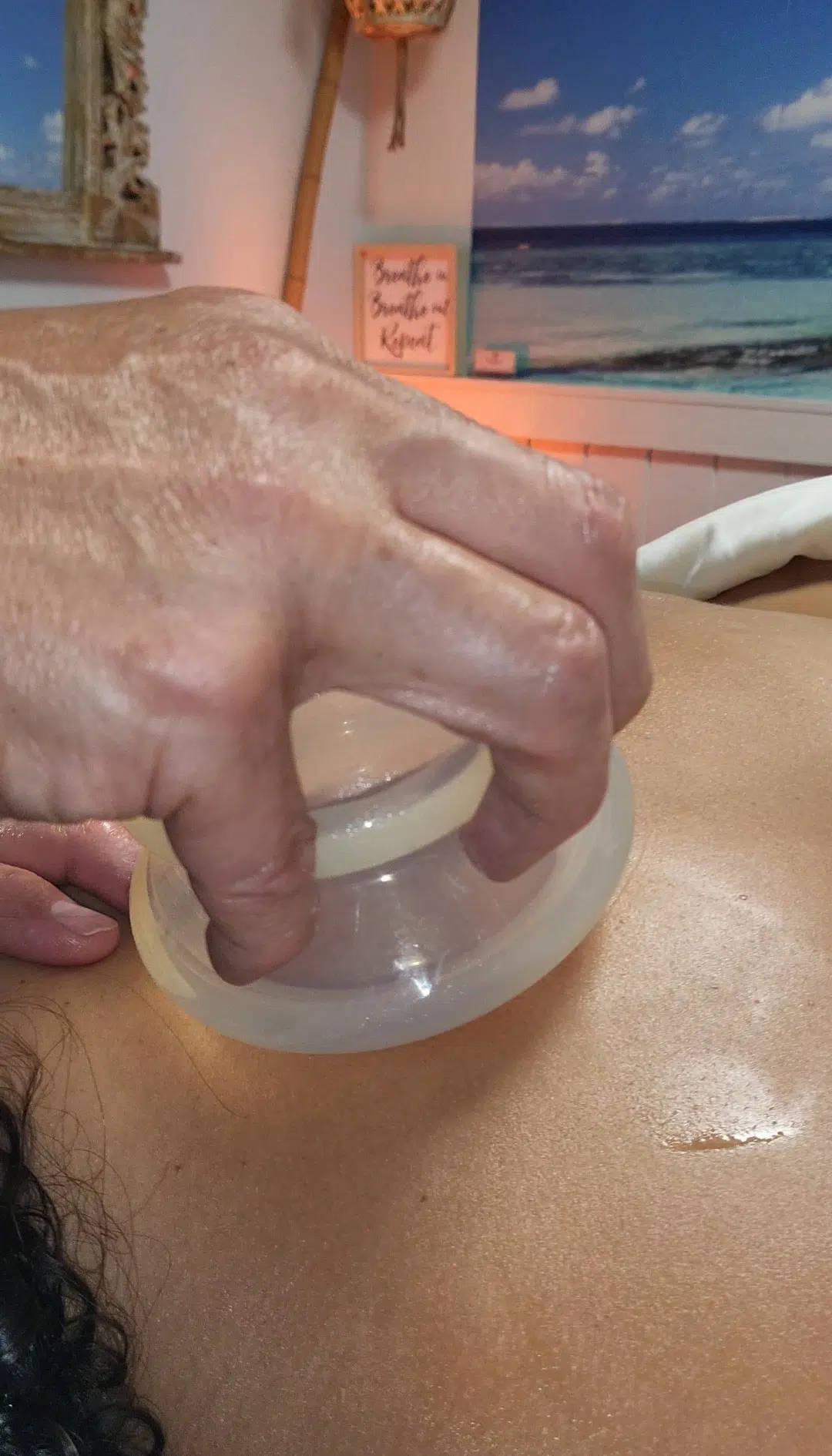
Depending on your condition, (for example back pain) a session might include passive joint manipulation, cupping, manual lymphatic drainage, heat packs, or ice to reduce swelling. Techniques are chosen based on what’s happening in your body that day. The human body knows how to heal. My job is to create the right conditions for that to happen.

The Key Differences Between Therapeutic and Regular Massage

Scope

A regular massage covers the full body. A therapeutic massage locks in on the one area that needs focused attention.

Techniques

Regular massage relies on foundational strokes like effleurage and petrissage. Therapeutic massage adds specialized tools such as cupping, passive joint manipulation, lymphatic drainage, and heat or cold therapy.

Goal

Regular massage is about relaxation and general wellness. Therapeutic massage is about relief from injury, post-surgical recovery, and chronic pain.

Best For

  • Regular massage: stress, anxiety, and everyday tension
  • Therapeutic massage: back pain, neck pain, post-surgery recovery, and acute injury

If you’re dealing with an injury or chronic pain, a regular session means the problem area gets only a fraction of the time it actually needs.

Real Example: What Happens When You Book the Wrong Type

That foot surgery client is a perfect illustration of how this plays out.

He booked reflexology because it seemed relevant to his foot pain. But reflexology works on reflex points connected to organs and systems throughout the body. It wasn’t going to address the structural stiffness, deep fascial circulation, and lymphatic backup his post-surgical foot was dealing with.

During our intake conversation, I asked about recent injuries and surgeries. That’s when the full picture came out. We redirected the session entirely toward passive joint manipulation, cupping, and manual lymphatic drainage. The intake conversation is where these mismatches get caught, and it’s why I take it seriously before every session. If you’re recovering from surgery, our post-surgery care approach gives a fuller picture of what that therapeutic support looks like.

How to Know Which Type of Massage Is Right for You

Before every session, I ask three questions:

  • What pain are you experiencing?
  • How long has it been going on?
  • How has it affected your quality of life?

Those three questions tell me almost everything. Here’s the general rule:

  • Recent injury, post-surgical recovery, or chronic pain: book therapeutic massage
  • Stress, anxiety, or general muscle tightness: regular massage is the right fit

You don’t need to have it perfectly figured out before you call. A qualified therapist will catch any mismatch during intake and guide you to the right session. If you’re still unsure, this guide on choosing the right massage can help you walk in with more confidence. Or you can Book now.

Therapeutic massage in session

What to Look for When Booking a Therapeutic Massage Therapist

Most massage chains and franchise locations don’t offer true therapeutic massage. They offer standardized sessions with limited flexibility. At a specialized wellness center, every session should be customized to where you are that day, not scripted.

Look for independent practitioners or wellness centers that list therapeutic massage as a specialty and describe their intake process. If the booking page has no mention of customization or clinical techniques, keep looking.

What to Do After a Therapeutic Massage

How you treat your body in the hours after the session matters.

  • Avoid strenuous exercise right away, since your tissues need time to integrate the work
  • Drink plenty of water, because cupping and lymphatic drainage create real circulatory shifts that hydration supports
  • Don’t apply heat or ice on your own without checking with your therapist first, since extra thermal input can work against the treatment

Follow the aftercare instructions and schedule you’re given. They’re based on what actually happened in your session, not a generic checklist.

Book the Right Session From the Start

The difference between therapeutic massage and regular massage isn’t just technique. It’s whether the session matches what your body actually needs. Book the wrong one and you leave feeling okay, but no closer to resolving the problem that brought you in.

If you’re dealing with pain, stiffness, or post-surgical recovery, learn more about what therapeutic massage can do, or reach out directly and I’ll help you find the right fit before you book.

Frequently Asked Questions

Is therapeutic massage more painful than regular massage?

Not necessarily. Therapeutic massage is more focused, not automatically more intense. Pressure is adjusted to your condition and comfort, and techniques like lymphatic drainage are actually very gentle.

Can I get therapeutic massage for back pain?

Yes. Back pain is one of the most common reasons people book therapeutic massage. The session focuses on the problem area using techniques like cupping, heat therapy, and targeted muscle work rather than spreading time across the whole body.

How soon after surgery can I get a massage?

It depends on the surgery and your doctor’s clearance. Many clients start therapeutic work a few days after surgery to help with swelling, stiffness, and range of motion. Always check with your surgeon first, and tell your therapist about the procedure during intake.

Is reflexology the same as therapeutic massage?

No. Reflexology works on reflex points in the feet, hands, and ears that connect to systems throughout the body. Therapeutic massage directly treats the muscles, joints, and tissue in a specific problem area.

How do I know if I need therapeutic or regular massage?

If you have a recent injury, chronic pain, or are recovering from surgery, book therapeutic massage. If you’re dealing with stress or general tightness, regular massage is the right fit. A good therapist will confirm during intake.

Where can I get therapeutic massage in Fort Lauderdale?

All Natural Wellness Center offers customized therapeutic massage in Fort Lauderdale, with cupping, lymphatic drainage, and post-surgical recovery work. Every session starts with an intake conversation so your treatment matches what your body needs.


BOOK YOUR VISIT

How to Choose the Right Massage Therapist: A Guide to Finding Your Best Match

by October 11, 2026

Knowing how to choose the right massage therapist matters more than most people think. Choosing wrong doesn’t just waste your money. It can set you back. A client came to me two months before her marathon. She’d gotten a deep tissue session somewhere else, and the therapist went too deep, too fast. She was sore for three days, missed a full week of training, and wasn’t sure she’d make it to the start line.

That’s the real cost of choosing wrong. This guide walks you through exactly what to look for: credentials, qualities, red flags, and the questions most people never think to ask.

The Biggest Mistake When You Choose a Massage Therapist

More and more, people choose therapists based on social media: athletic-looking people posting workout videos who look the part. Here at All Natural Wellness Center, I’ll say this plainly: how a therapist looks has nothing to do with how well they can help you.

What drives results is experience, empathy, and genuine skill. A therapist with 26 years of hands-on experience and real compassion will outperform a polished Instagram presence every time. Those are not things you can photograph.

What Qualifications Should a Massage Therapist Have?

Licensure Is the Baseline

Licensure is non-negotiable. In the United States, every practicing massage therapist must be licensed in the state where they work. Requirements vary by state but typically include completed coursework, a minimum number of clinical hours, and passing a recognized exam such as the MBLEx, administered by the Federation of State Massage Therapy Boards.

A license confirms a therapist has met minimum safety and competency standards. It doesn’t tell you they’re exceptional. That’s where experience and continuing education come in.

Experience and Continuing Education

In Florida, licensed massage therapists must complete continuing education every two years. I’ve always seen that as an opportunity, not a burden. Every CE cycle adds another tool to the toolkit. When you layer years of practice with ongoing education, the results compound in ways that are hard to explain but easy to feel.

finding the right massage therapist for you

When you’re evaluating a therapist, don’t just ask if they’re licensed. Ask how long they’ve been practicing and how they keep their skills current.

What Are the Qualities of a Good Massage Therapist?

The qualities that define a good massage therapist go well beyond technical skill. The best therapists I know share three traits: empathy, passion, and a commitment to customization.

Empathy

Empathy means meeting each client where they are, physically and emotionally, on any given day. Your body isn’t the same every session. Stress, sleep, hydration, and recent activity all matter. A therapist who picks up on that and adjusts accordingly is worth their weight in gold.

Passion

Passion is not a soft metric. You can feel the difference between a therapist who loves this work and one who’s just clocking in.

Customization

Customization is what separates real therapeutic work from the assembly-line approach you’ll find at some massage chains. I do a detailed intake conversation before every single appointment, whether I last saw you a month ago or two days ago. Something might have changed, and I need to know where you are today. We treat each client as an individual, not a body type or a complaint list.

If you’re unsure which style might suit your situation, understanding what type of massage you need is a good place to start.

Red Flags to Watch For Before You Ever Get on the Table

Your experience as a client begins before the session starts, and those early signals tell you a lot. Here’s what I watch for, and what I hold myself and my team to:

  • A confusing or outdated website. It signals a lack of professionalism and respect for the client’s time.
  • No Google reviews, or vague and generic ones. Authentic, detailed feedback from real clients matters.
  • An unwelcoming or unclean lobby. If the front of house doesn’t reflect care, assume that attitude extends to the treatment room.
  • A disorganized or unfriendly front desk. First impressions are data points.
  • A therapist who skips or rushes the intake conversation. This is a serious red flag. Without detailed questions before your session, they don’t have the information they need to help you safely.
  • Any moment where you feel dismissed, pressured, or unsafe. Trust that instinct and leave.

When clients feel safe and respected from the first encounter, we can focus entirely on the work. Safety isn’t a nice-to-have. It’s what makes real healing possible.

How to Evaluate a Therapist Beyond Reading Reviews

Reviews are useful, but they only go so far. Here’s how to go deeper.

Pay attention to their energy in your first conversation, even over the phone. Is this person present? Are they listening? Are they asking questions, or just waiting to talk about pricing?

Notice their tone and how they explain things. These details reflect how a therapist will show up in the treatment room.

Ask how they’ll customize the session to your needs that day, not just your general health history. A therapist who thinks in those terms is treating you as an individual.

I once had a client who’d injured herself and needed to be seen right away. She’d never worked with a male massage therapist before and arrived nervous. I was aware of that from the moment we met, and I was intentional with everything: my posture, my tone, my word choice. Before we started, I walked her through exactly how the session would progress so she felt in control at every step.

After her first session, she said she wished she’d let go of her assumptions sooner. Four years later, she won’t see anyone else. That outcome started with communication, not technique.

Questions to Ask Before You Choose a Massage Therapist

Most people ask about price and availability. Those matter, but they’re not the questions that reveal whether a therapist is actually the right fit. Here are the ones I recommend.

“Do You Love What You Do?”

This is the most revealing question you can ask. The energy behind the answer tells you everything. A therapist who lights up is a different category of provider than one who pivots quickly to logistics.

“How Do You Approach Intake, and Does It Happen Every Visit?”

If the answer is “only on the first visit,” that’s a problem. Bodies change. Life happens. A thorough intake before every session is what allows a therapist to meet you where you actually are.

“What Experience Do You Have With My Specific Concern?”

Whether it’s injury recovery, athletic preparation, chronic tension, or post-surgical care, you want someone who has worked with your situation before and can explain how they’d adapt their approach.

My marathon client’s original therapist didn’t ask the right questions. A proper intake would have revealed she was mid-training and needed recovery support, not maximum-pressure deep tissue. The right questions prevent that kind of harm.

Choose all natural wellness center for the best massage in fort lauderdale

Stay Open When Choosing the Right Massage Therapist

Preconceived ideas about a therapist’s gender, age, or style can keep you from finding your best match.

That client who’d never worked with a male therapist almost didn’t book. I understood her hesitation completely. What I knew was that my job in that first session was to create safety above everything else.

The right fit is defined by trust, safety, results, and genuine communication. Give a therapist who communicates well and takes time with your intake a real chance, even if they differ from what you pictured. You might be surprised by what’s possible when you focus on the things that actually matter.

For more on how therapeutic bodywork fits into a broader wellness routine, our guide on the benefits of therapeutic massage covers exactly that.

Checklist: How to Choose the Right Massage Therapist

  • Licensed in the state where they practice
  • Experienced, with years of hands-on work, not just classroom hours
  • Empathetic, meeting you where you are every session
  • Customized in their approach, with no cookie-cutter routines
  • Professional in their environment: a clean space, welcoming intake, and clear communication
  • Passionate about the work, and you can feel it

If you’re in the Fort Lauderdale area and want to experience this approach firsthand, browse our massage services to learn how we work and what to expect. You deserve a therapist who takes your care as seriously as you do, and they’re out there.

Your body is built to Heal.

BOOK YOUR VISIT

Subscribe to our newsletter

Lorem ipsum dolor sit amet, consectetur adipiscing elit. Proin porttitor nisl nec ex consectetur, quis ornare sem molestie.