
Can a Chiropractor Help After a Car Accident? What You Need to Know

Written by Dr. Lori Kindle, chiropractor at All Natural Wellness Center in Fort Lauderdale. As a car accident chiropractor in Fort Lauderdale, Dr. Kindle helps patients find lasting, drug-free relief from back pain, neck pain, headaches, and muscle tension. She also offers prenatal chiropractic care and gentle adjustments for newborns and infants. To book an appointment, call (954) 495-4449.
The short answer is yes—and in many cases, early chiropractic evaluation is one of the most important steps you can take for your recovery.
A patient came to me after a rear-end collision feeling only mild neck stiffness. She went home, assumed it would pass, and didn’t think much of it. Three days later, she couldn’t turn her head without sharp pain. Headaches had moved in. Her upper back ached. She was sleeping in 90-minute stretches because no position was comfortable.
This is not an unusual story. It’s the story I hear most often in my Fort Lauderdale practice.
What you’ll find here: whether chiropractic care is effective for accident injuries, what injuries it treats, what evaluation and treatment look like, and when to seek care.
Timing Matters More Than Most People Realize
Chiropractic care is an evidence-supported treatment for the musculoskeletal injuries most commonly caused by car accidents. The American Chiropractic Association recognizes it as a primary treatment modality for spinal conditions including whiplash and cervical strain—two of the most prevalent injuries from motor vehicle collisions.
Here’s what most people don’t know: your body works against you in the hours after a crash. Adrenaline and your natural stress response temporarily suppress pain signals. You can walk away from a collision feeling fine—or close to it—and still have real, measurable soft tissue injuries developing beneath the surface.
People are far more likely to wait too long than to seek an evaluation unnecessarily. The patient who comes in a day after an accident is in a much better position than the one who waits three weeks because they “felt okay at first.”
Early evaluation either confirms you’re fine and gives you peace of mind, or it identifies an injury while it’s still in the most treatable window.
What Injuries Does Chiropractic Care Treat After a Car Accident?
The most frequently seen injuries include:
- Whiplash and cervical strain — Rapid, forceful movement of the head and neck tears or strains the muscles and ligaments of the cervical spine
- Lumbar strain — Low back muscle and ligament injuries from the impact force
- Soft tissue injuries — Damage to muscles, tendons, and ligaments throughout the spine and extremities
- Joint dysfunction — Misalignment or restricted movement in the facet joints of the spine
- Tension headaches — Often originating from cervical spine injury and muscle tension in the neck and upper back
Chiropractic care focuses on the spine, joints, muscles, and surrounding soft tissues. It is not the appropriate first response for broken bones, injuries requiring surgery, or acute neurological emergencies—those need emergency medical care.
You don’t have to be in a major accident to experience a significant injury. Even a minor collision can affect the muscles, ligaments, and joints of the spine. The absence of vehicle damage doesn’t mean the absence of bodily injury. Some of the most significant whiplash presentations I’ve seen have come from low-speed impacts.

What Happens During a Chiropractic Evaluation After an Accident?
A thorough initial examination includes:
- Detailed health history — Mechanism of the accident, symptom timeline, prior injuries
- Orthopedic and neurological testing — Assessing nerve function, reflexes, and structural integrity
- Range-of-motion assessment — Measuring restriction in the cervical and lumbar spine
- Palpation — Identifying areas of muscle spasm, tenderness, and joint dysfunction
If I find indicators that warrant an X-ray or MRI, I make that referral before beginning treatment.
One aspect patients often overlook: documentation. The initial exam creates a dated medical record of your injuries and functional limitations from the start—which matters both for tracking recovery and for any personal injury claim that may follow. In Florida, Personal Injury Protection (PIP) insurance requires a medical evaluation within 14 days of an accident to maintain coverage. Waiting beyond that window can forfeit your benefits entirely. Many patients don’t know this rule exists until it’s too late.
What Does Treatment Actually Look Like?
Treatment isn’t one-size-fits-all, and chiropractic adjustments aren’t the only tool available.
The typical treatment toolkit for accident injuries includes:
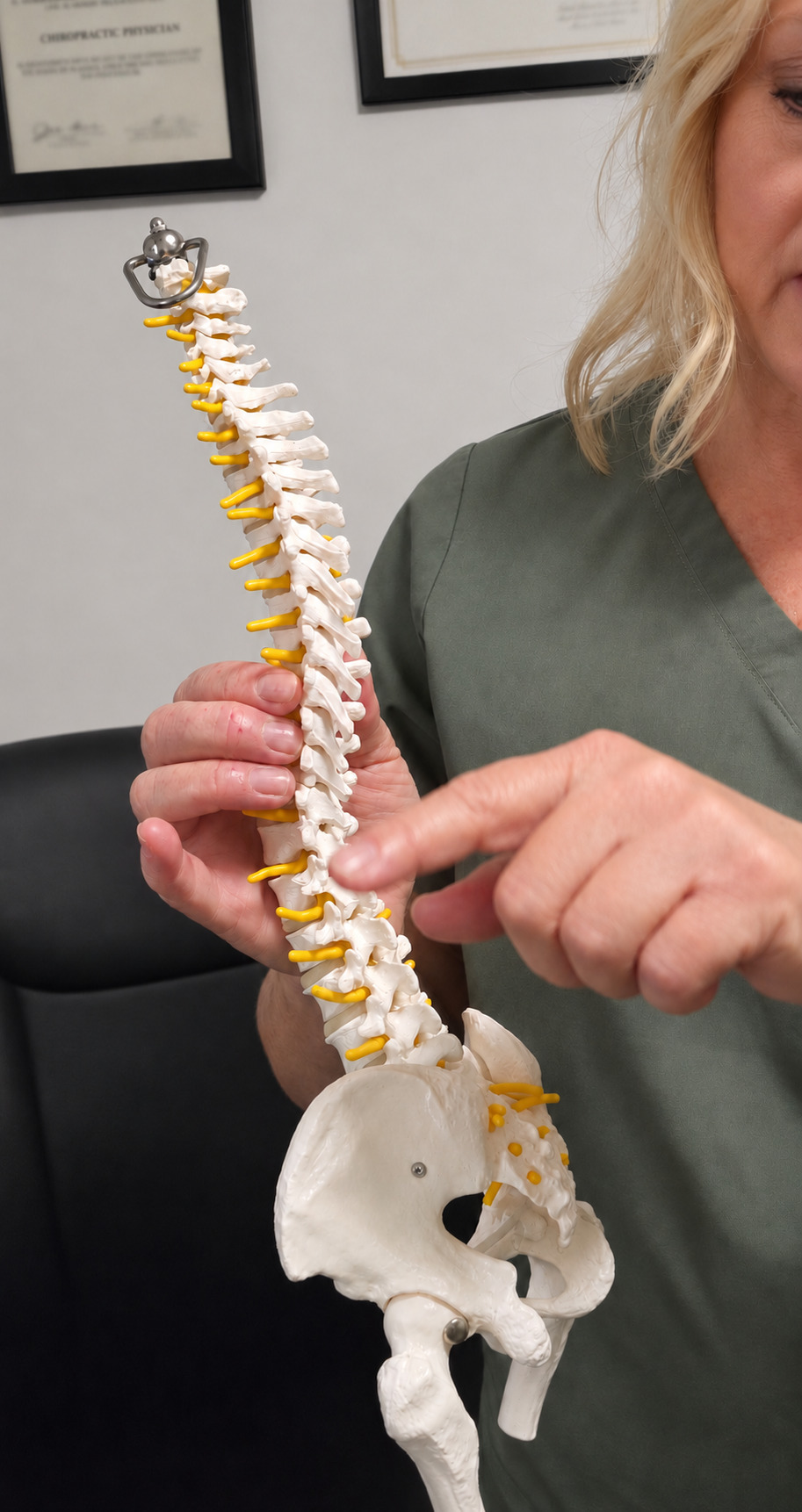
- Chiropractic adjustments — Restoring joint mobility and reducing nerve irritation
- Soft tissue therapy — Myofascial release, trigger point therapy, and therapeutic massage to address muscle tension and scar tissue
- Therapeutic modalities — Electrical stimulation, ultrasound therapy, or cold laser to reduce inflammation and promote healing
- Rehabilitation exercises — Progressively introduced as the patient improves, targeting supporting musculature and spinal stability
If a patient doesn’t want spinal manipulation specifically, that’s completely fine—soft tissue therapy, therapeutic exercise, and rehabilitative modalities can still produce meaningful improvement.
Treatment phases evolve with your condition. Early-phase care focuses on reducing pain and inflammation and improving mobility. As those acute symptoms settle, the focus shifts toward rebuilding strength and restoring range of motion so the injury doesn’t become a chronic problem.
A Real Case: How Early Care Changed the Outcome
My patient from the opening was rear-ended at moderate speed, felt mild neck stiffness, and waited. By day three, she had severe neck pain, persistent headaches, upper back discomfort, and near-complete loss of head rotation to the right.
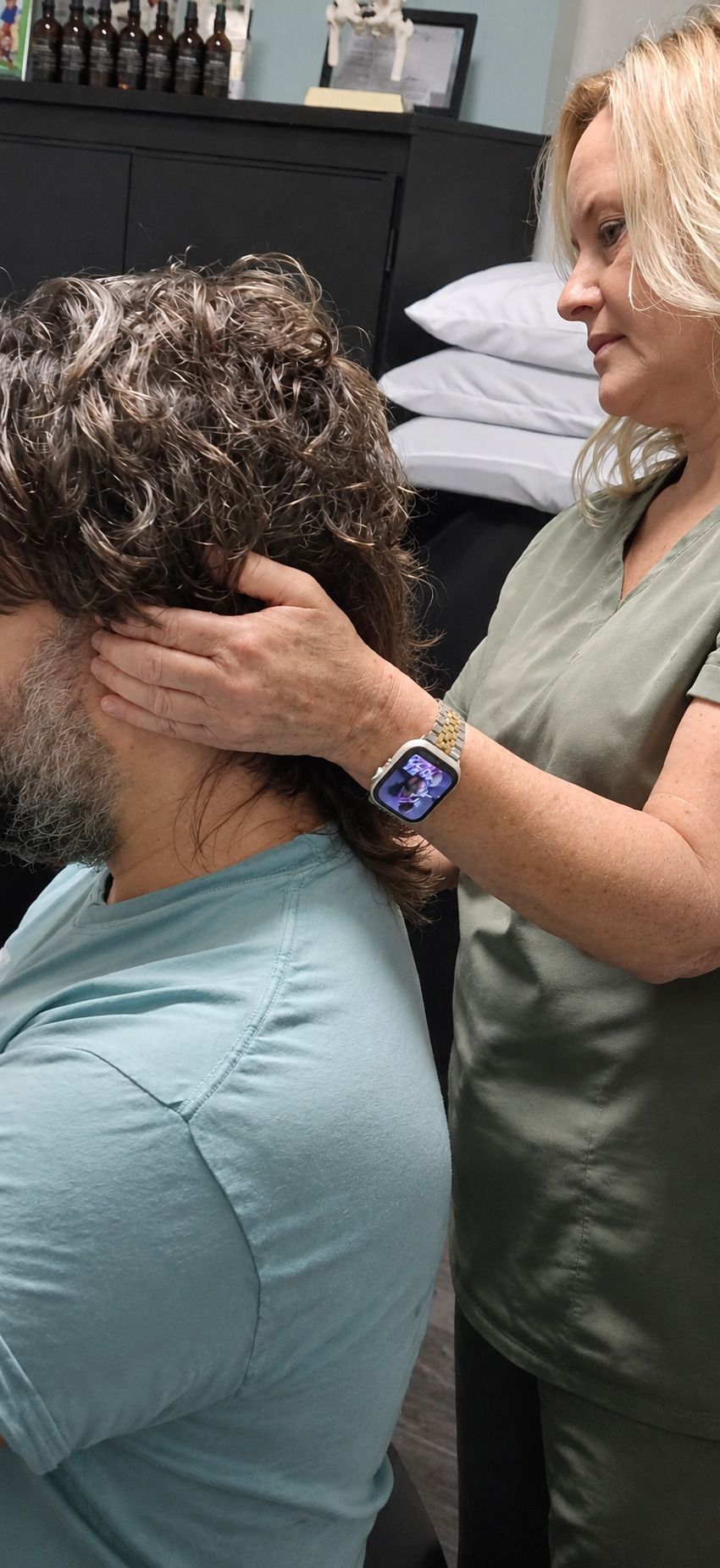
My examination revealed restricted cervical range of motion in multiple planes, palpable muscle spasms throughout the cervical and upper thoracic regions, and point tenderness consistent with a whiplash-associated disorder. I ruled out red flags for fracture or neurological compromise and we began conservative care.
Early sessions focused on soft tissue therapy and low-force adjustments. I didn’t push into full spinal manipulation immediately—her muscle guarding and pain levels told me to progress gradually.
By week two, she reported less tension and was sleeping through the night. Headaches were less frequent. We introduced targeted cervical and upper thoracic rehabilitation exercises.
Over the following weeks, she could check her blind spot while driving without wincing, sleep in her preferred position, and return to her full work schedule without pain. Recovery isn’t just about pain going away—it’s about restoring function so you can live normally. This case illustrates why early evaluation and consistent, progressive care produce better outcomes than waiting.
Common Misconceptions That Delay Recovery
“I’m not in severe pain, so I probably wasn’t hurt.”
Adrenaline and your body’s stress response can mask significant soft tissue injury for hours or days after a collision. By the time pain becomes severe, the injury has often been developing—and potentially worsening—without treatment.
“I felt fine at a week—I must be in the clear.”
The bigger risk for most accident patients isn’t chiropractic care—it’s delayed presentation. Patients who come in a month or more post-accident have often developed chronic muscle patterns, compensatory movement habits, and increased scar tissue that make recovery longer and harder than it needed to be.
I’ve seen patients wait past Florida’s 14-day PIP window without being evaluated by any provider, believing that if they weren’t in significant pain, they didn’t need to be checked. A month and a half later, they’re experiencing unexplained pain in areas they can’t account for—and by that point, the documentation gap creates problems both medically and for their personal injury case.
When Is Chiropractic Care Not Appropriate?
Chiropractic care is not the right first response in every situation. Contraindications include:
- Acute fractures or spinal instability
- Serious neurological deficits (loss of bowel or bladder control, progressive limb weakness)
- Injuries requiring emergency surgical intervention
- Significant head trauma or loss of consciousness at the scene
In these situations, the emergency room comes first—always.
Post-adjustment soreness is the most commonly reported side effect of chiropractic care, typically mild and resolving within 24–48 hours. Serious adverse events are rare when treatment is performed by a licensed provider following a proper examination.
My role isn’t to treat everything. A thorough evaluation determines whether a patient can be safely treated in my office or needs referral to an emergency department, orthopedic specialist, or neurologist. That gatekeeper function is part of the value of an early evaluation.
When Should You See a Chiropractor After a Car Accident?
My recommendation is straightforward: seek evaluation as soon as possible—ideally within the first few days—even if symptoms feel mild.
Go to the Emergency Room First If You Experience
- Loss of consciousness at the scene
- Signs of head trauma or concussion
- Suspected fracture
- Severe or rapidly worsening neurological symptoms
A Chiropractic Evaluation Is Appropriate If You Experience
- Neck stiffness, soreness, or limited range of motion
- Headaches that weren’t present before the accident
- Upper or lower back pain following the collision
- Generalized muscle tension or tenderness
If you’re in Fort Lauderdale or anywhere in Florida, the 14-day PIP evaluation window is a practical urgency driver—not legal advice, but a clinical reality that affects your options if you wait.
Whether the question is can a chiropractor help after a car accident for mild symptoms or significant ones, the answer is the same: get evaluated early, let the findings guide the conversation, and don’t wait for pain to tell you what examination can show you now.
Conclusion
If you’ve been in a car accident in Fort Lauderdale or anywhere in South Florida—even one that seemed minor—early evaluation is one of the most important steps you can take. Chiropractic care is effective for the musculoskeletal injuries most commonly caused by collisions, and it works best when started early.
Don’t let the absence of immediate pain give you a false sense of clearance. The adrenaline wears off. The inflammation builds. And the window for the most straightforward recovery narrows with every day you wait. And in Florida, waiting past 14 days can cost you your PIP coverage, too.
It’s also worth speaking with a lawyer soon after your accident. A good car accident attorney can help you understand what your insurance covers and which parts of your care may be paid for or reimbursed—so cost doesn’t stand between you and the care your body needs.
Soft tissue work is a core part of how I approach accident injuries. If you want to understand how massage therapy supports back pain recovery or what therapeutic massage actually involves, both are worth reading before your first appointment. If you’ve never had hands-on care before, this guide on what to expect at your first massage walks you through the process clearly.
Get evaluated, get a plan, and give your body the structured support it needs to heal.
Frequently Asked Questions
How soon should I see a chiropractor after a car accident in Florida?
As soon as possible, ideally within the first few days, even if your symptoms feel mild. In Florida, you need to be evaluated within 14 days of the accident to keep your Personal Injury Protection (PIP) benefits.
Does car insurance cover chiropractic care after an accident in Florida?
Florida PIP insurance may help cover medical care after an accident, including chiropractic care, as long as you’re evaluated within the 14-day window. Coverage varies by policy, so check with your insurance company or a car accident attorney about your specific situation.
Should I see a chiropractor if I’m not in pain?
Yes. Adrenaline can mask pain for hours or even days after a collision, and soft tissue injuries like whiplash often show up later. An early evaluation either confirms you’re fine or catches an injury while it’s easiest to address.
How long does recovery take after a car accident?
It depends on the injury and how soon you start care. Mild strains often improve within a few weeks, while more involved injuries take longer. After your evaluation, you’ll get a care plan with a clear picture of what to expect.
Where can I find a car accident chiropractor in Fort Lauderdale?
Dr. Lori Kindle sees car accident patients at All Natural Wellness Center, 1306 E Broward Blvd in Fort Lauderdale. Call (954) 495-4449 to book your evaluation.
Car Accident Chiropractor in Fort Lauderdale: Book Your Evaluation
If you’ve been in a car accident in Fort Lauderdale or anywhere in Broward County, our team at All Natural Wellness Center is here to help. Dr. Kindle will evaluate your injuries, document her findings, and build a care plan around your recovery, ideally within Florida’s 14-day PIP window.
Call (954) 495-4449 to book your evaluation, or visit us at 1306 E Broward Blvd, Fort Lauderdale, FL 33301.
